Understanding the crumb structure of sourdough bread is essential for bakers aiming to achieve the perfect loaf. The crumb refers to the interior texture of the bread, which can vary significantly based on several factors including hydration, fermentation, and shaping techniques.
This guide provides a detailed overview of the characteristics of sourdough bread crumb, helping you identify and replicate the desired texture in your baking.
Understanding Sourdough Crumb Structure
The crumb structure of sourdough bread is a key aspect that defines its quality and appeal.
It refers to the interior texture, which can vary widely based on several factors.
Hydration levels, fermentation processes, and shaping techniques all contribute significantly to the final outcome.
For bakers, grasping these elements is essential for creating the perfect loaf.
A well-developed crumb can elevate the overall experience of sourdough, making it a favorite among bread enthusiasts.
Sourdough Bread Crumb Characteristics
The characteristics of sourdough crumb can range from airy and open to dense and compact.
A well-aerated crumb typically features large, irregular holes, providing a light texture that many bakers strive for.
Conversely, a denser crumb may present a more uniform appearance, often resulting from lower hydration or insufficient fermentation.
Key factors such as the type of flour, hydration levels, and fermentation time play pivotal roles in determining the final crumb structure.
Understanding these characteristics can help bakers replicate the desired texture in their own baking endeavors.
Open Crumb vs. Closed Crumb
One of the most sought-after features in sourdough bread is the open crumb.
This structure showcases large, irregular holes that create a light and airy texture.
Achieving this often requires high hydration dough and proper fermentation techniques.
On the other hand, a closed crumb results in a denser texture with tighter, smaller holes.
This can occur due to lower hydration levels or inadequate fermentation, which can limit the development of the bread’s structure.
The Importance of Texture
Texture plays a significant role in the overall enjoyment of sourdough bread.
A chewy texture is often found in well-developed loaves, attributed to strong gluten development and effective fermentation.
This chewiness adds to the satisfaction of each bite, enhancing the eating experience.
Moreover, a soft crust complements a tender crumb, often achieved through steam during the baking process.
This combination of textures creates a delightful contrast that many bread lovers appreciate.
Flavor Profile of Sourdough
The flavor of sourdough is another critical aspect that contributes to its popularity.
A nutty flavor profile develops during fermentation, enriching the overall taste of the bread.
This complexity can elevate a simple slice of bread into a gourmet experience.
Understanding the relationship between crumb structure and flavor can guide bakers in their quest for the perfect loaf.
By focusing on these elements, one can create sourdough that not only looks appealing but also delights the palate.
Conclusion: Mastering Sourdough Baking
Mastering the art of sourdough baking involves a deep understanding of crumb structure and its characteristics.
By experimenting with hydration levels, fermentation times, and shaping techniques, bakers can achieve their desired results.
The journey to perfecting sourdough is both rewarding and delicious, inviting bakers to refine their skills and enjoy the fruits of their labor.
Sourdough Bread Crumb Characteristics
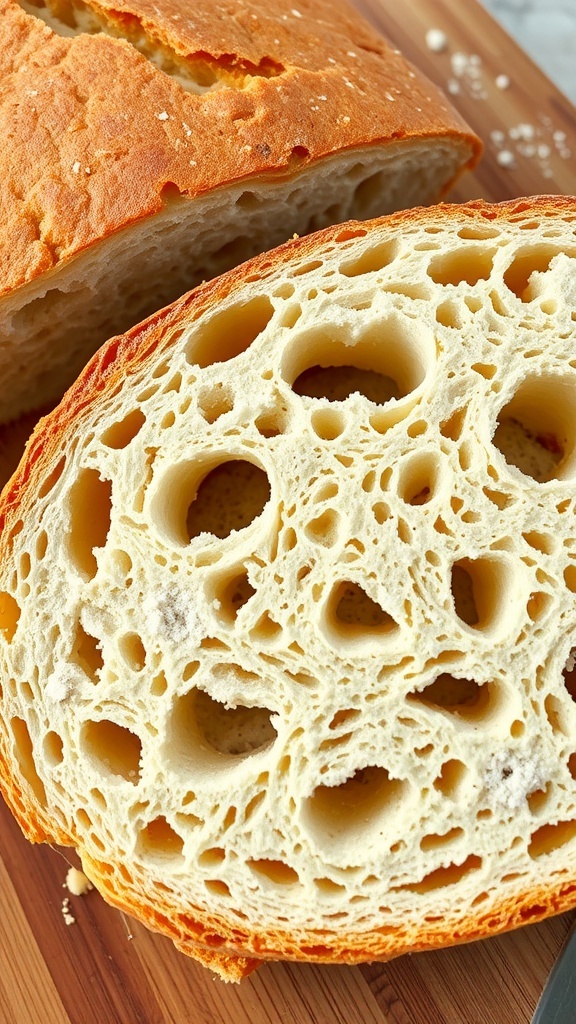
The crumb of sourdough bread can range from open and airy to dense and tight, depending on the baker’s methods. A well-aerated crumb typically features irregular holes and a chewy texture, while a denser crumb may have a more uniform appearance. Factors such as the type of flour used, hydration levels, and fermentation time all play crucial roles in determining the final crumb structure.