Growing garlic in Zone 3 can be a rewarding and fulfilling endeavor for any gardening enthusiast. This hardy plant is not only a culinary staple but also offers numerous health benefits. In this guide, we will explore the best practices for planting and cultivating garlic in colder climates.
Garlic thrives in well-drained soil and prefers a sunny location, making it an excellent choice for gardeners in colder regions. By following the right techniques, you can enjoy a bountiful harvest even in challenging growing conditions.
Creating the Ideal Environment for Garlic
To grow garlic successfully, it’s essential to establish the right environment. Garlic thrives in well-drained soil enriched with organic compost. The dark, fertile soil not only supports healthy root development but also provides the necessary nutrients for robust growth.
Choosing a location that receives ample sunlight is vital. Garlic plants benefit from full sun exposure, which can lead to tall, vibrant leaves stretching toward the sky. This bright, sunny backdrop not only fosters growth but also contributes to the overall health of the plants.
Choosing the Right Garlic Variety
Selecting the appropriate garlic variety is crucial for successful cultivation, especially in colder climates like Zone 3. Hardneck varieties, such as Siberian or Music garlic, are recommended due to their resilience and ability to withstand colder temperatures.
These varieties not only flourish in rich, dark soil but also produce a more intense flavor compared to their softneck counterparts. This makes them a popular choice among culinary enthusiasts who appreciate the distinct taste of homegrown garlic.
Preparation and Planting Techniques
Preparation before planting involves amending the soil with organic compost to improve its structure and nutrient content. Garlic prefers a slightly acidic to neutral pH, ideally between 6.0 and 7.0.
When the time comes to plant, typically in the fall before the ground freezes, ensure that the garlic cloves are placed about 2 inches deep and spaced 6-8 inches apart. This spacing allows each plant ample room to grow and thrive.
The Importance of Mulching
Applying a generous layer of mulch, such as straw or leaves, is a key practice in garlic cultivation. This layer serves multiple purposes, including protecting the soil during winter and retaining moisture throughout the growing season.
Mulch not only helps maintain soil temperature but also suppresses weeds, allowing garlic plants to access essential nutrients without competition. This simple step can significantly impact the overall yield of your garlic harvest.
Watering and Care Considerations
Water management is another critical aspect of growing garlic. It’s important to keep the soil consistently moist but not waterlogged, particularly during the early growth stages. Monitoring soil moisture and adjusting watering as necessary will ensure healthy development.
As the harvest time approaches, it’s advisable to reduce watering to allow the bulbs to mature properly. Keeping an eye on the plants during this phase can help ensure a bountiful harvest of flavorful garlic.
The Rewards of Homegrown Garlic
Growing garlic offers numerous rewards, from the satisfaction of tending to your garden to the culinary delights of using fresh garlic in your meals. The flavor of homegrown garlic is often unparalleled, providing depth and aroma that enhances many dishes.
Beyond its culinary uses, garlic is known for its health benefits, including antimicrobial properties and immune system support. Cultivating your own garlic not only contributes to a healthy diet but also fosters a deeper connection with the land.
Essential Tips for Planting Garlic in Zone 3
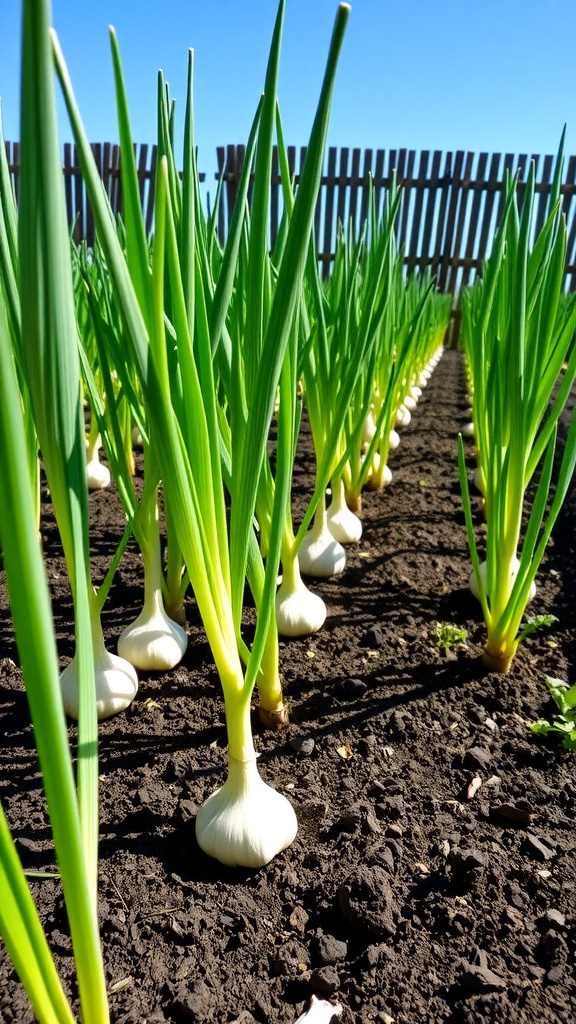
Garlic has a robust flavor that can elevate any dish, while its growth process can be quite simple if approached correctly. The taste of homegrown garlic is often more intense and aromatic compared to store-bought varieties, making the effort worthwhile.
Ingredients
- Garlic bulbs (hardneck varieties are recommended for Zone 3)
- Organic compost
- Mulch (straw or leaves for winter protection)
- Water source
Instructions
- Select the Right Variety: Choose hardneck garlic varieties that are better suited for Zone 3, such as Siberian or Music garlic.
- Prepare the Soil: Amend the soil with organic compost to improve drainage and nutrient content. Garlic prefers a pH of 6.0 to 7.0.
- Planting Time: Plant garlic in the fall, about 4-6 weeks before the ground freezes. This allows for root development before winter.
- Spacing: Plant the garlic cloves 2 inches deep and 6-8 inches apart in rows that are 12 inches apart.
- Mulching: Apply a layer of mulch to protect the garlic during winter and help retain soil moisture.
- Watering: Keep the soil consistently moist but not waterlogged during the growing season. Reduce watering as harvest time approaches.
Cook and Prep Times
- Prep Time: 15 minutes
- Planting Time: 1 hour
- Total Time: Ongoing care until harvest (6-8 months)
- Health Benefits: Garlic is known for its antimicrobial properties and can boost the immune system.
- Calories: N/A
- Fat: N/A
- Protein: N/A
- Carbohydrates: N/A