Baking sourdough bread can be a rewarding experience, but it often comes with its own set of challenges. This troubleshooting guide addresses common issues that bakers face, providing practical solutions to improve your sourdough results.
Whether you’re dealing with dough that won’t rise, a dense texture, or a crust that isn’t quite right, this guide will help you identify the problem and adjust your technique for better outcomes.
Understanding Sourdough Bread Baking
Baking sourdough bread is an art that combines patience, technique, and a little science.
The unique flavor and texture of sourdough come from the natural fermentation process, which relies on wild yeast and bacteria.
This process can sometimes lead to challenges, but with the right knowledge, you can create a loaf that is both beautiful and delicious.
Common Issues in Sourdough Bread
Many bakers encounter specific problems when making sourdough.
These can range from dough that fails to rise to a crust that is too hard.
Identifying these issues early can save time and ingredients, allowing for adjustments to improve your baking results.
Dough Won’t Rise
If your dough isn’t rising, it’s crucial to check the activity of your starter.
An active and bubbly starter is essential for proper fermentation.
Additionally, the temperature of your environment plays a significant role; warmer conditions can enhance the fermentation process, leading to a better rise.
Dense Texture
A dense loaf can be disappointing, but there are ways to achieve a lighter texture.
Increasing the hydration level of your dough can help, as well as ensuring that you are using proper kneading and folding techniques to develop gluten effectively.
These methods contribute to a more airy crumb structure.
Overly Sour Flavor
If your sourdough has an overpowering sour taste, consider adjusting the fermentation time.
Shortening the fermentation period can help balance the acidity.
Feeding your starter more frequently can also mitigate excessive sourness, leading to a more pleasant flavor profile.
Crust Too Hard
A crust that is too hard can detract from the overall enjoyment of your bread.
To achieve a softer crust, try baking with steam in the oven.
Adjusting the oven temperature can also make a significant difference, allowing for a more tender crust.
Uneven Crumb Structure
An uneven crumb structure can be frustrating, but it often stems from improper shaping or insufficient proofing time.
Taking the time to shape your dough correctly and allowing it to proof adequately can lead to a more uniform rise.
These techniques are vital for achieving that perfect loaf with a light and airy interior.
Common Sourdough Bread Issues and Solutions
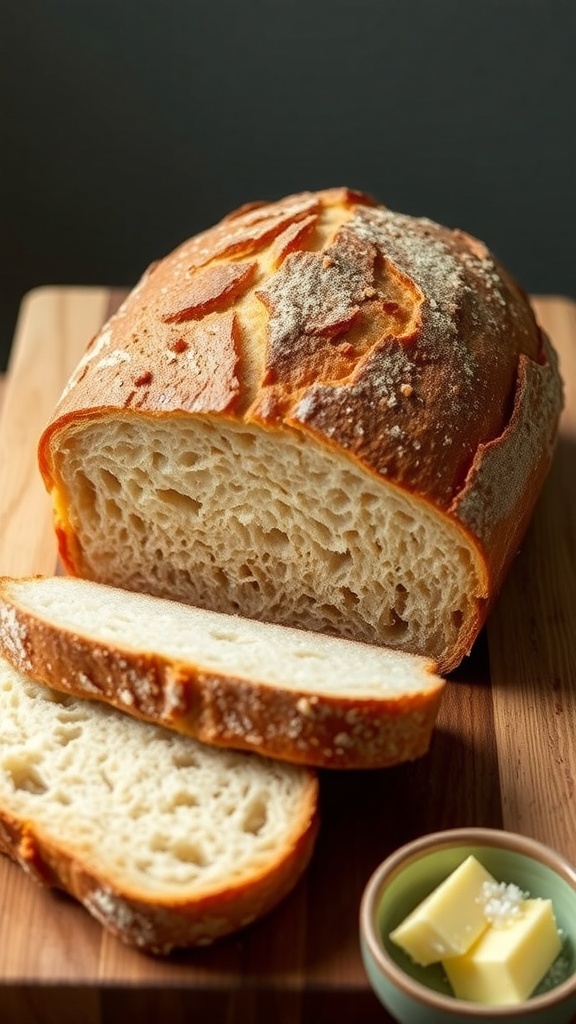
This guide covers various problems encountered during the sourdough baking process, such as insufficient rise, overly sour flavor, and uneven crumb structure. Each issue is paired with actionable tips to help you achieve the perfect loaf.