Baking homemade bread can be rewarding, but it often comes with its challenges. This troubleshooting guide addresses common issues that may arise during the bread-making process, helping you achieve the perfect loaf.
From dough that won’t rise to bread that turns out too dense, understanding the reasons behind these problems can improve your baking skills and ensure a successful outcome.
Creating the Perfect Bread Scene
Imagining a kitchen filled with the aroma of freshly baked bread can evoke feelings of warmth and comfort. A visually appealing scene featuring various homemade loaves can truly elevate the atmosphere.
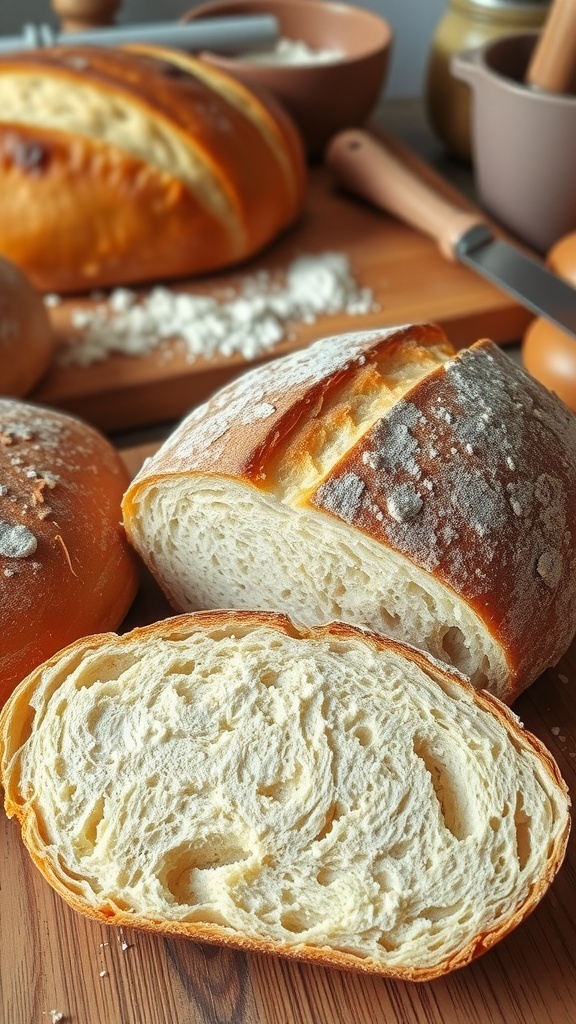
Picture a rustic wooden board adorned with an assortment of bread, each loaf showcasing unique textures and crusts. The golden-brown crust of one loaf glistens, inviting you to take a slice. Nearby, a slice reveals a soft and airy interior, promising a delightful bite.
The Art of Bread Baking
Baking bread is an art that combines science and creativity. Each loaf tells a story through its texture and crust. The process begins with selecting quality ingredients and understanding the role each plays in the final product.
Flour, water, yeast, and salt are the essentials, but the magic happens when they come together. Kneading the dough transforms it, developing gluten that contributes to the bread’s structure. This is where bakers can start to see the fruits of their labor.
Common Challenges in Bread Baking
Even the most experienced bakers encounter challenges. Issues like dough not rising, dense texture, or uneven crust can arise, but they are not insurmountable.
Understanding the common problems can help refine techniques. For instance, if the dough fails to rise, it might be due to expired yeast or incorrect water temperature. Adjusting these factors can lead to a more successful bake.
Solutions for Better Bread
Addressing specific issues can significantly improve the quality of homemade bread. For dense bread, consider measuring flour accurately and ensuring adequate kneading time.
Allowing the dough to rise until it doubles in size is crucial for achieving that light, airy texture. Each step in the process contributes to the overall success of the loaf.
Enhancing Your Baking Environment
The environment where you bake can also impact the outcome. A warm, inviting kitchen filled with the right tools can inspire creativity. Flour dusting the wooden board adds to the rustic charm, while baking tools nearby signal readiness for the next batch.
Using an oven thermometer ensures the temperature is just right, preventing uneven crusts. Introducing steam during baking can also enhance the crust’s texture, creating that sought-after bakery finish.
Celebrating Homemade Bread
Ultimately, the joy of baking bread lies in the process and the final product. Each loaf represents a blend of effort, patience, and love. The inviting scene of various breads not only showcases the results but also tells the story of the baker’s journey.
As you slice into a loaf, the soft interior and crispy crust come together, creating a satisfying experience. This is the essence of homemade bread—simple yet profound, perfect for sharing with family and friends.
Common Bread Baking Issues and Solutions
This guide covers various problems encountered when baking bread, including insufficient rising, dense texture, and uneven crust. Each issue is paired with practical solutions to help you refine your technique and create delicious homemade bread.