This troubleshooting guide provides practical solutions for common issues encountered while using a bread machine. From dough not rising to uneven baking, these tips will help you achieve perfect loaves every time.
Understanding your bread machine’s functions and settings can significantly improve your baking experience. This guide covers frequent problems and their solutions to ensure you get the best results.
Creating the Perfect Baking Environment
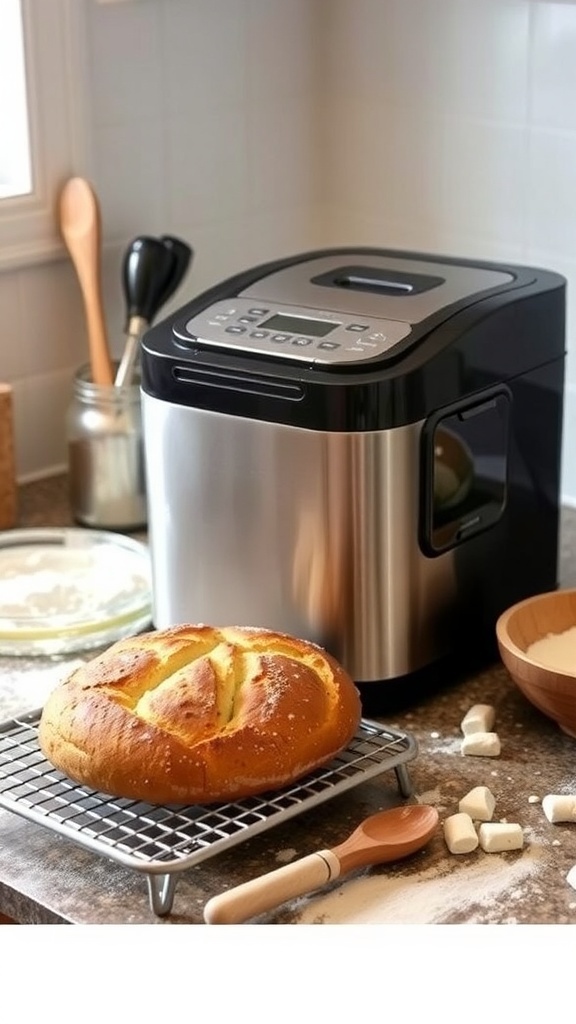
Setting the scene for baking is essential for a successful experience. A clean, organized countertop with a modern bread machine can inspire creativity and confidence in any home baker.
Having a sleek machine with a digital display not only looks appealing but also provides functionality. It allows you to monitor the baking progress easily, ensuring that you stay engaged with the process.
Surrounding yourself with flour and other baking ingredients adds to the cozy atmosphere. The sight of scattered flour can evoke memories of baking with loved ones, making the experience even more enjoyable.
Common Challenges in Bread Making
Even with the right tools, challenges can arise during the bread-making process. Understanding these common issues can help you troubleshoot effectively.
For instance, dough not rising can be frustrating. This often happens due to expired yeast, incorrect water temperature, or improper ingredient order. Addressing these factors can lead to a successful rise.
Another frequent problem is dense bread. Accurate measurements and ensuring the yeast is active are key to achieving the desired texture. Over-kneading can also contribute to this issue, so it’s important to knead just enough.
Ensuring Even Baking
Uneven baking is a common concern that can affect the overall quality of your bread. To combat this, ensure that the bread pan is properly seated in the machine. A level countertop is also crucial for even baking.
Checking the baking time and temperature settings can make a significant difference. Each machine may have its own quirks, so familiarizing yourself with your specific model is beneficial.
Perfecting the Crust
The crust can greatly influence the enjoyment of homemade bread. If you find your bread crust is too hard, consider adjusting the crust setting to a lighter option.
Incorporating a bit more fat into the dough can also yield a softer crust. This small adjustment can enhance the overall texture and flavor of the bread.
Ensuring Thorough Cooking
One of the most disappointing outcomes is bread that is not cooked through. This can be avoided by checking the baking time and ensuring the pan is not overloaded with dough.
Each recipe may have specific requirements, so adhering to the guidelines can help achieve the perfect loaf. Monitoring the baking process closely can prevent undercooked bread.
Embracing the Baking Process
Embracing the baking process is crucial for a fulfilling experience. Each loaf is a chance to learn and improve your skills. The aroma of fresh bread filling your kitchen is a reward in itself.
With practice, the challenges of bread making can become manageable. Using this guide as a reference will help you troubleshoot and refine your technique, leading to delicious results.
So, gather your ingredients, set up your bread machine, and enjoy the journey of creating homemade bread that brings warmth and joy to your home.
Common Bread Machine Issues and Solutions
This guide addresses issues such as dough not rising, bread being too dense, or uneven crusts. By following the outlined solutions, you can troubleshoot effectively and enjoy fresh, homemade bread.