I’ve always believed that managing money shouldn’t be a headache. That’s why I’m excited to share the 50-30-20 budget plan with you—it’s a simple yet effective way to keep your finances in check.
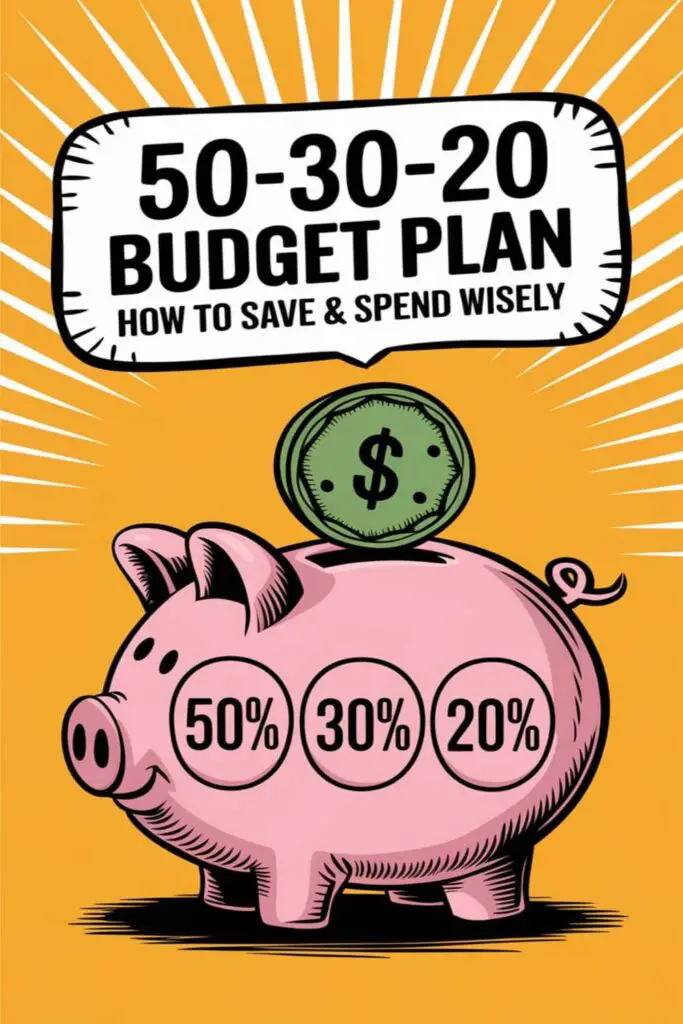
This plan divides your after-tax income into three parts: 50% for needs, 30% for wants, and 20% for savings or debt repayment. It’s like having a personal financial advisor in your pocket!
Stick around as I break down how you can start using this budget to save and spend wisely, without feeling overwhelmed.
Understanding the 50-30-20 Budget Plan
What Is the 50-30-20 Budget Plan?
I’ll break it down for you: the 50-30-20 budget plan is all about splitting your after-tax income into three chunks. 50% goes to needs like rent and groceries, 30% to wants like dining out or new shoes, and 20% straight to savings or paying off debts. It’s a simple way to keep your finances in check!
Allocating Your Income: The 50% Rule
The 50% rule is all about covering your essential needs.
Essential Expenses: What Counts?
Housing costs like rent or mortgage payments count as essential expenses. So do utilities, groceries, and basic healthcare. Don’t forget transportation costs if you need a car or public transit to get to work.
Tips for Managing Your 50% Effectively
I always keep a close eye on my monthly bills to ensure they stay within the 50% limit. It’s helpful to shop around for better deals on insurance or utilities. I also use budgeting apps to track my spending on essentials and make adjustments when needed.
Embracing the 30% Rule for Discretionary Spending
The 30% rule lets you enjoy life while sticking to your budget.
What Constitutes Discretionary Spending?
Discretionary spending covers non-essential items that make life enjoyable. Think dining out, entertainment like movies or concerts, hobbies such as painting or golfing, and shopping for things you want but don’t need.
Strategies to Enjoy Your 30% Wisely
- Prioritize Your Pleasures: I focus on what brings me the most joy. Whether it’s a monthly subscription to a favorite service or saving up for a big event, I make sure my 30% counts.
- Track Your Spending: I use apps to keep an eye on where my discretionary money goes. It helps me stay within my 30% without feeling restricted.
- Find Deals and Discounts: I always look for deals on entertainment and shopping. Using coupons or buying during sales helps me stretch my 30% further.
- Balance Wants and Needs: Sometimes, I’ll choose a cheaper option for a want so I can afford something I really desire later. It’s all about balancing my discretionary spending.
Mastering the 20% Rule for Savings and Debt Repayment
The 20% of your income is your golden ticket to financial freedom. Let’s dive into how to make the most of it.
Building Your Savings: Goals and Methods
I set specific savings goals to keep my motivation high. Whether it’s for an emergency fund, a dream vacation, or retirement, having clear targets helps. I use automatic transfers to move a portion of my income into savings accounts each month. High-yield savings accounts are my go-to because they offer better interest rates.
Tackling Debt: Prioritization and Payment Plans
I prioritize my debts by interest rate, tackling the highest ones first to save on interest over time. This method’s called the avalanche approach. For managing payments, I set up automatic payments to ensure I never miss a due date. If I’ve got extra cash, I throw it at the principal to reduce the debt faster.
Adjusting the 50-30-20 Plan to Fit Your Life
When and How to Modify the Ratios
I know life’s unpredictable, so you might need to tweak the 50-30-20 ratios. If your needs jump up—say, you’ve got a new baby or a sudden medical expense—you’ll want to shift more of your income to the 50% category. Conversely, if you’re crushing it at work and your income’s soaring, you might want to bump up that 20% savings to 30% or more. Just keep an eye on your budget monthly and adjust as needed.
Case Studies: Real-Life Applications of the 50-30-20 Plan
Let me share a couple of real-life stories where the 50-30-20 plan made a difference. First up, my friend Sarah used it to pay off her student loans. She stuck to the plan, dedicating 20% of her income to her loans, and cleared them in three years. Then there’s Mike, who adjusted his plan to save for a down payment on a house. He reduced his wants to 20% and increased his savings to 30%, hitting his goal in two years. Both found the plan flexible enough to meet their unique goals.
Tools and Apps to Help Implement the 50-30-20 Budget Plan
Top Budgeting Apps for the 50-30-20 Plan
- Mint helps me categorize my spending automatically into the 50-30-20 categories. It’s great for setting budget alerts to keep my spending in check.
- You Need a Budget (YNAB) lets me allocate my income to different categories right away. It’s perfect for sticking to the 50-30-20 plan with its real-time tracking.
- EveryDollar is my go-to for manually entering my expenses, which gives me a hands-on approach to following the 50-30-20 budget.
Spreadsheets and Manual Tracking Options
- I use Google Sheets to create custom templates that fit the 50-30-20 plan. It’s flexible and lets me tweak the budget as my needs change.
- Microsoft Excel offers me powerful tools for tracking my 50-30-20 budget. I can use formulas to automatically calculate my percentages and see where I stand.
- For a simpler approach, I keep a physical notebook to jot down my daily expenses. It helps me stay mindful of my spending according to the 50-30-20 rule.
Common Pitfalls and How to Avoid Them
Over-Spending in the 30% Category
I’ve seen it happen time and again: folks go overboard with their 30% wants. It’s easy to justify that extra pair of shoes or another night out, but it adds up fast. To keep this in check, I set a monthly limit for each type of want, like entertainment or shopping. Using apps like Mint or YNAB helps me track these expenses in real time, so I don’t accidentally blow my budget.
Neglecting the 20% Savings and Debt Reduction
It’s tempting to skip saving or paying off debt, especially when there’s fun stuff to spend on. But I remind myself that the 20% is my ticket to financial freedom. I automate transfers to my savings account right after payday, so I never forget. For debt, I prioritize the one with the highest interest rate and set up automatic payments. This way, I’m always making progress without having to think about it.
Success Stories: How the 50-30-20 Plan Changed Lives
Personal Testimonials and Financial Transformations
- I’ve seen firsthand how the 50-30-20 plan transforms lives. Take my friend Lisa, who used to live paycheck to paycheck. By sticking to the plan, she allocated 50% to her essentials like rent and groceries, 30% to fun stuff like concerts, and 20% to her savings. Within a year, Lisa paid off $5,000 in credit card debt and saved enough for a dream vacation to Hawaii.
- Another inspiring story is from my cousin Tom. He was drowning in student loans until he started following the 50-30-20 rule. Tom directed 20% of his income towards his loans, which helped him become debt-free in just three years. Now, he’s saving for a down payment on a house.
Long-Term Benefits of Sticking to the Plan
- I’ve noticed that sticking to the 50-30-20 plan leads to significant long-term benefits. For instance, it builds a habit of saving, which compounds over time. My colleague Sarah has been using this plan for five years and now has an emergency fund that covers six months of expenses, giving her peace of mind.
- Another long-term advantage is the reduction of financial stress. My neighbor Mike used to worry about money all the time. After adopting the 50-30-20 plan, he’s not only saved for retirement but also feels more in control of his financial future, which has improved his overall well-being.
Conclusion
I hope you’re excited to start using the 50-30-20 budget plan! It’s a game-changer for managing your money wisely. Remember, it’s all about balance—enjoying life while saving for the future.
Don’t be afraid to tweak the percentages if your situation changes. And hey, use those apps and tools to keep yourself on track. You’ve got this!
Frequently Asked Questions
What is the 50-30-20 budget rule?
The 50-30-20 budget rule allocates 50% of your after-tax income to needs, 30% to wants, and 20% to savings or debt repayment. This method helps manage finances by prioritizing essential expenses, allowing for enjoyment, and ensuring savings or debt reduction.
How can I effectively manage the 50% for needs?
To manage the 50% for needs, monitor monthly bills, seek better deals on essentials, and use budgeting apps to track spending. This ensures that essential expenses like rent, groceries, and utilities are covered without overspending.
What counts as discretionary spending in the 30% category?
Discretionary spending in the 30% category includes non-essential items that enhance enjoyment, such as dining out, entertainment, and hobbies. These are wants that you can enjoy while sticking to your budget.
How can I manage the 30% for wants wisely?
To manage the 30% for wants wisely, prioritize pleasurable activities, track spending with apps, seek deals and discounts, and balance wants with needs. This approach helps you enjoy life while staying within your budget.
What is the importance of the 20% allocation for savings and debt repayment?
The 20% allocation for savings and debt repayment is crucial for achieving financial freedom. It helps you set savings goals, such as for emergencies or vacations, and tackle high-interest debts using strategies like the avalanche approach.
How can I adjust the 50-30-20 plan based on life changes?
Adjust the 50-30-20 plan based on life changes by modifying the ratios to accommodate increased expenses or income. Real-life case studies, like those of Sarah and Mike, illustrate how to adapt the plan to meet financial goals effectively.
What tools and apps can help implement the 50-30-20 budget plan?
Tools and apps like Mint, You Need a Budget (YNAB), and EveryDollar can help implement the 50-30-20 budget plan by categorizing spending and tracking budgets. Manual options include using Google Sheets, Microsoft Excel, or a physical notebook for tracking expenses.
What are common pitfalls in the 50-30-20 budgeting process?
Common pitfalls in the 50-30-20 budgeting process include overspending in the 30% wants category and neglecting the 20% savings and debt reduction. To avoid these, set monthly limits for discretionary spending and automate savings and debt payments.
Can you share success stories of people using the 50-30-20 plan?
Success stories include Lisa, who paid off $5,000 in credit card debt and saved for a vacation, and Tom, who became debt-free from student loans in three years. These stories highlight the long-term benefits of the plan, such as building saving habits and reducing financial stress.