You can turn a passion for style into a career through roles in design, styling, content creation, buying, marketing, photography, merchandising, textiles, and costume. If you’re passionate about fashion and dreaming of turning your love for style into a career, you’re in luck! The fashion industry offers a wide range of jobs that let you express your creativity, hone your skills, and be part of a dynamic world.
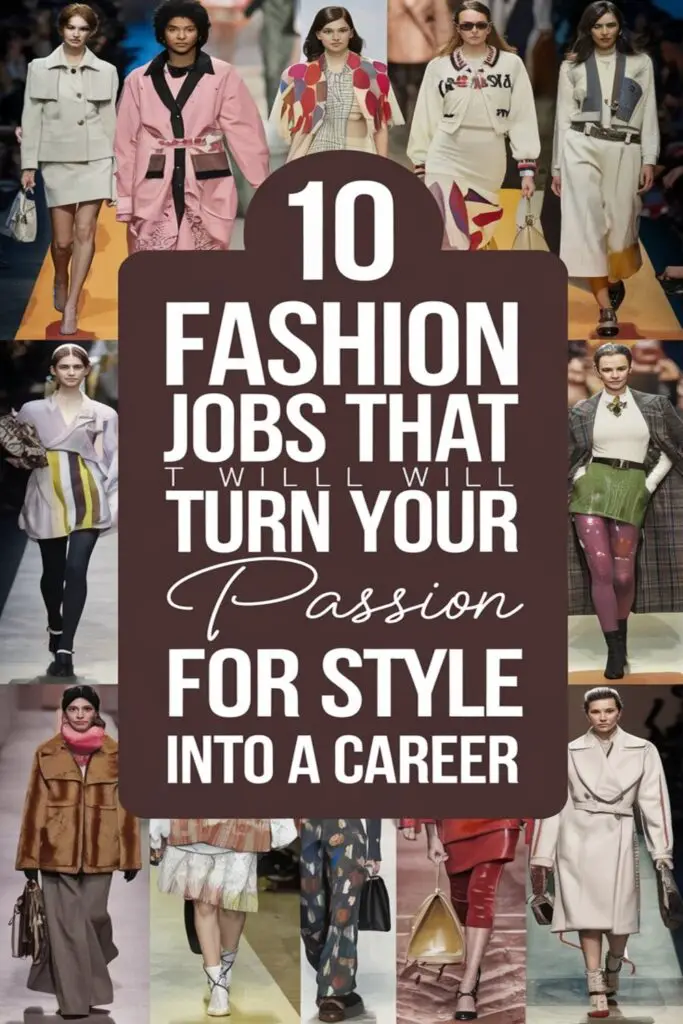
Here’s a list of 10 exciting fashion-related careers to inspire you.
1. Fashion Designer
What They Do: Fashion designers create clothing, footwear, and accessory designs. They work with fabrics, colors, and trends to bring their artistic visions to life.
Skills Needed: Creativity, sewing, pattern-making, and knowledge of fashion trends.
Where to Start: Learn design through a fashion school or start by creating and sharing your own designs online.
Try taking one garment from a mood board through sketches, fabric choices, a basic pattern, and a finished sample. Explore garment construction, textiles, and digital design tools through a course or self-directed project.
2. Fashion Stylist
What They Do: Stylists curate outfits for photoshoots, celebrities, events, or everyday wear. They ensure their clients look their best while staying on-trend.
Skills Needed: Eye for detail, knowledge of trends, and strong interpersonal skills.
Where to Start: Assist an established stylist or build a portfolio by styling friends or local influencers.
For practice, create several looks for one brief, such as a photo shoot or event, and explain your choices of color, fit, and accessories. Study styling, fashion history, and client communication.
3. Fashion Blogger or Influencer
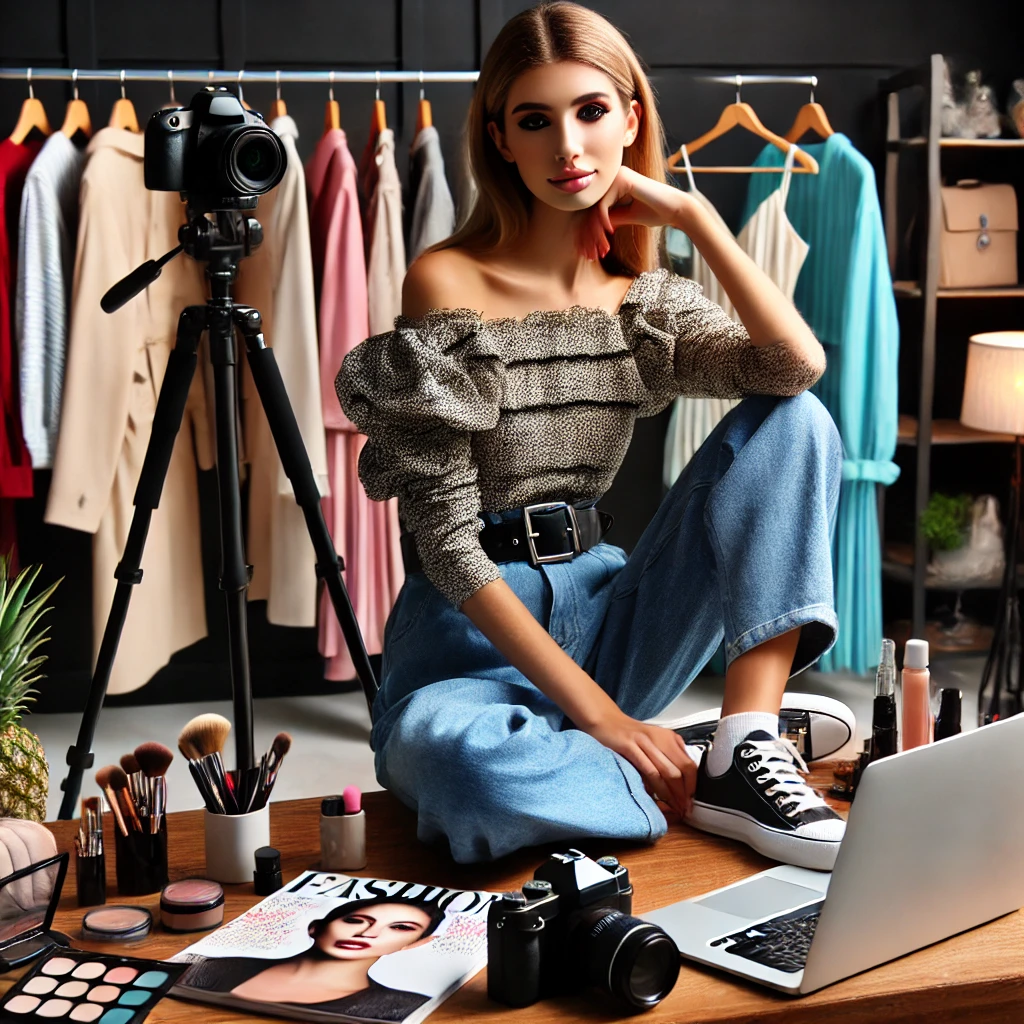
What They Do: Bloggers and influencers create content about fashion, sharing outfit ideas, trends, and style tips with their audience.
Skills Needed: Photography, writing, social media marketing, and trend awareness.
Where to Start: Create a blog or Instagram account focused on your personal style.
Build a sample content series around one theme: plan the posts, photograph outfits, write captions, and identify the audience you want to reach. Practice writing, basic photo editing, and content planning.
4. Fashion Buyer
What They Do: Buyers select the clothing and accessories for retail stores, balancing trends with customer needs.
Skills Needed: Business acumen, trend forecasting, and negotiation skills.
Where to Start: Gain experience in retail or study merchandising and business.
Try assembling a sample collection for a defined customer and season, explaining the product choices, price range, and balance of styles. Explore retail math, merchandising, and presentation skills in coursework or a project.
5. Fashion Illustrator
What They Do: Illustrators bring fashion concepts to life through sketches and digital art. Their work is often used for advertising, magazines, and design mockups.
Skills Needed: Artistic skills, creativity, and proficiency in design software.
Where to Start: Build a portfolio showcasing your sketches or digital designs.
Show a concept in several ways, such as a figure sketch, a close-up of fabric details, and a digital color variation. Practice figure drawing, composition, and the design software you plan to use.
6. Fashion Photographer
What They Do: Photographers capture the essence of fashion through editorial shoots, runway shows, and product photography.
Skills Needed: Photography skills, knowledge of lighting, and editing expertise.
Where to Start: Invest in a quality camera, practice your skills, and collaborate with local designers or models.
Create a small shoot from a brief: plan the looks and shot list, test lighting, photograph the details, and edit a consistent final set. Practice camera settings, lighting, and image editing.
7. Fashion Marketer

What They Do: Marketers promote fashion brands through campaigns, events, and digital marketing strategies.
Skills Needed: Marketing knowledge, creativity, and communication skills.
Where to Start: Study marketing or start promoting small fashion brands online.
Draft a sample campaign with a clear audience, message, content ideas, and a simple way to review its results. Build skills in copywriting, campaign planning, and digital analytics through study or practice projects.
8. Fashion Merchandiser
What They Do: Merchandisers plan and organize a store’s layout, ensuring it aligns with the brand’s vision and appeals to customers.
Skills Needed: Organizational skills, trend analysis, and retail experience.
Where to Start: Gain experience in visual merchandising or study retail management.
Sketch a display or store layout for a particular product story, noting the focal point, product grouping, and customer path. Practice visual presentation, retail planning, and clear layout sketches.
9. Textile Designer
What They Do: Designers create unique fabrics used in clothing and accessories, focusing on patterns, textures, and prints.
Skills Needed: Artistic creativity and knowledge of textiles and printing techniques.
Where to Start: Study textile design or experiment with fabric art.
Develop a small pattern collection and show how each design could look at different scales or in different colorways. Explore repeat patterns, color, fabric types, and print or surface-design methods.
10. Costume Designer
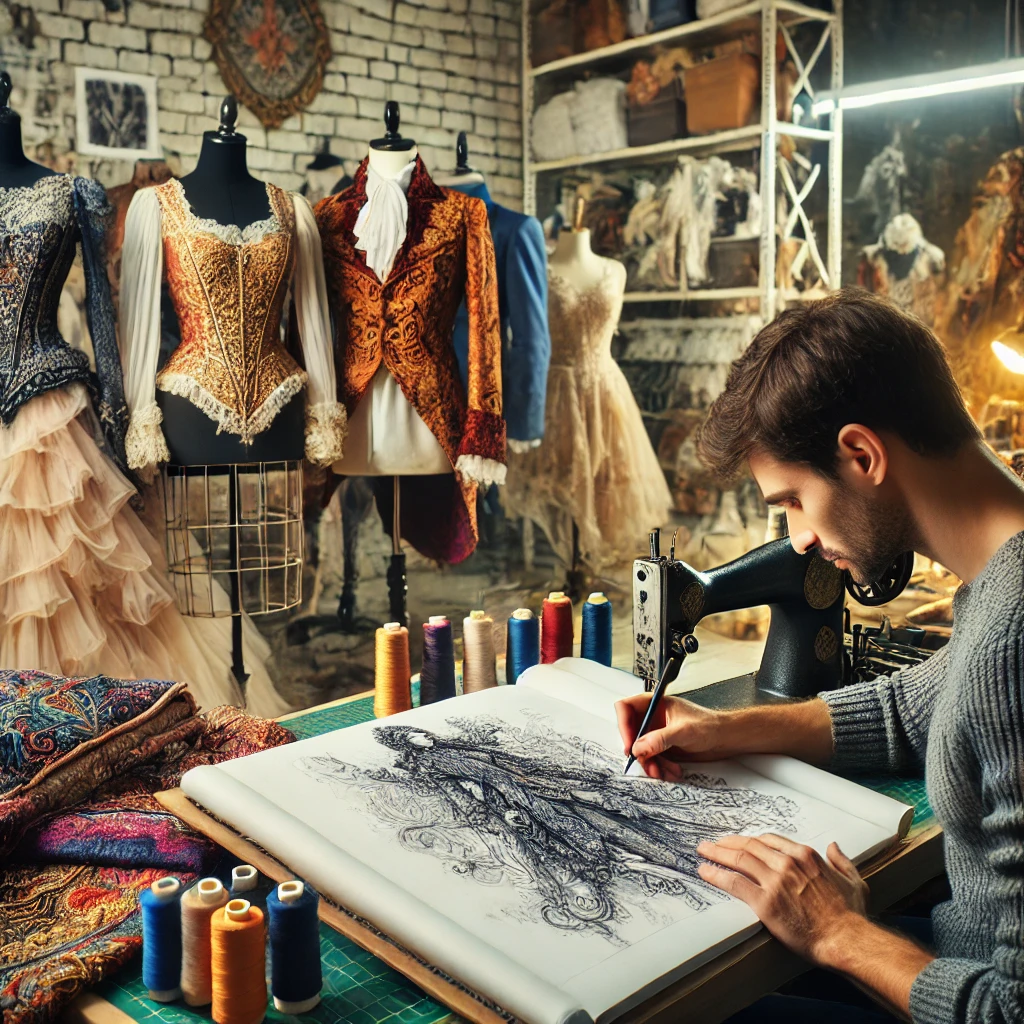
What They Do: Costume designers create outfits for movies, theater, and TV productions, often blending historical accuracy with creative flair.
Skills Needed: Design skills, knowledge of fashion history, and attention to detail.
Where to Start: Study costume design or intern with a theater or film production team.
For a practice brief, design a character’s looks for several scenes and explain how the clothing supports the character and setting. Explore costume history, research, drawing, and garment construction.
How to Get Started in Fashion?
- Education: Consider studying fashion design, merchandising, or marketing. Compare course outlines with the skills you want to use; useful subjects to explore include garment construction, textiles, visual communication, retail buying, and digital marketing.
- Build a Portfolio: Showcase your work on social media or through a personal website. Include a few finished projects and brief notes explaining the goal, your process, and the choices you made.
- Network: Attend fashion events, connect with industry professionals, and intern with established brands. Prepare a short introduction about your interests and the kind of work or feedback you are seeking.
- Stay Inspired: Follow trends, experiment with your style, and never stop learning. Keep notes on ideas you notice and turn one into a small project for your portfolio.
Fashion is an ever-evolving industry that thrives on creativity and innovation. With these 10 career paths, you’re sure to find a role that aligns with your interests and skills. Start exploring today, and turn your passion for fashion into a dream career!