Baking gluten-free bread can be challenging, but with the right techniques and ingredients, you can achieve a delicious and satisfying loaf. This guide provides practical tips to help you navigate the gluten-free baking process.
Understanding the unique properties of gluten-free flours and how to combine them effectively is essential for successful bread. These tips will help you create bread with the right texture and flavor.
Understanding Gluten-Free Flours
Choosing the right flour is crucial when baking gluten-free bread. A blend of different flours can significantly enhance both texture and flavor.
Almond flour, rice flour, and tapioca flour are popular choices that work well together. Each type of flour brings its unique properties to the mix, contributing to a balanced loaf.
Experimenting with different combinations can lead to delightful results, so don’t hesitate to try various blends until you find your perfect match.
The Role of Binders
In gluten-free baking, binders play a vital role in achieving the desired texture. Ingredients like xanthan gum or psyllium husk can help mimic the elasticity that gluten provides in traditional bread.
These binders help hold the ingredients together, preventing the bread from crumbling and ensuring a soft, airy interior.
Incorporating the right amount of binder is essential; too little can lead to a dense loaf, while too much can create an overly gummy texture.
Measuring Ingredients Accurately
Precision is key in gluten-free baking. The ratios of ingredients can greatly affect the outcome, making accurate measurements essential.
Using a kitchen scale can help ensure that you’re using the correct amounts, especially when working with flours and binders.
Taking the time to measure carefully can make a significant difference in the quality of your bread.
Rising Time Matters
Gluten-free bread often requires longer rising times compared to traditional bread. This is due to the absence of gluten, which helps trap air bubbles during the rising process.
Be patient and allow your dough to rise adequately. Watching the dough expand can be rewarding and is a crucial step in achieving a light and fluffy loaf.
Covering the dough with a damp cloth can help retain moisture during the rising period, promoting a better texture.
Adding Moisture for Texture
Moisture is another important factor in gluten-free bread. Incorporating ingredients such as yogurt, applesauce, or eggs can enhance the overall texture and flavor of your loaf.
These additions not only contribute to moisture but can also add richness and depth to the bread.
Experimenting with different moisture sources can lead to delightful discoveries in flavor and texture.
Mixing Techniques
Thorough mixing is essential for gluten-free dough. Using a stand mixer or bread machine can ensure that the ingredients are well combined and aerated.
Proper mixing helps create a uniform dough, which is key to achieving a consistent rise and texture.
Don’t rush this step; taking the time to mix thoroughly can lead to a more successful baking experience.
Essential Tips for Gluten-Free Bread
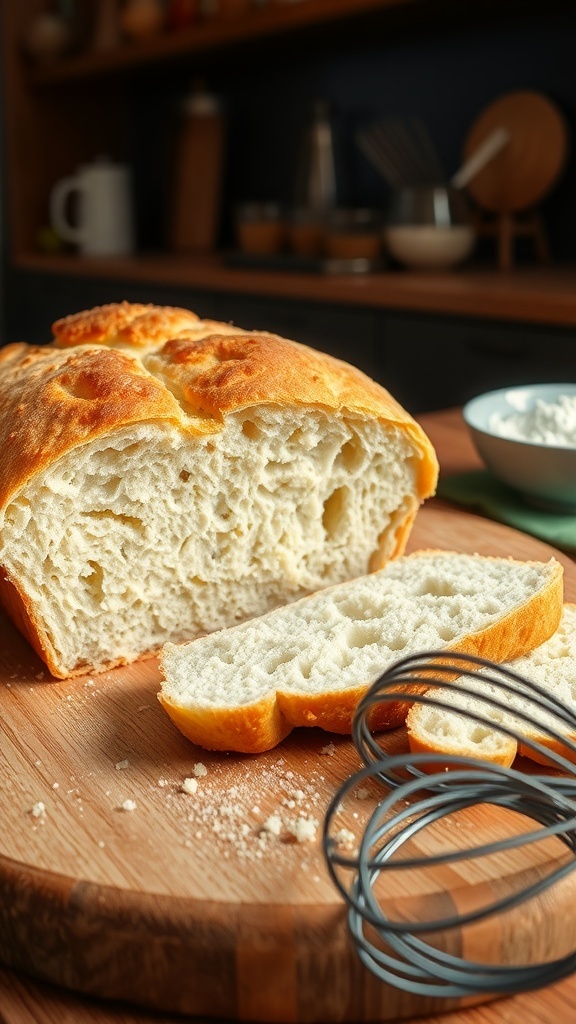
These tips cover everything from selecting the right flours to the importance of hydration and proper mixing techniques. With a little practice, you can master gluten-free bread baking and enjoy homemade loaves that everyone will love.