Unveiling the Essence of Ledger Accounts
Understanding the Ledger Account
Every financial odyssey unfolds with a fundamental blueprint—the ledger account. It’s the narrative thread woven intricately within the fabric of accounting, an impeccable repository capturing the pulse of transactions. Picture it as a vault of financial memoirs, meticulously crafted to chronicle every ebb and flow of resources. A ledger account is the scenic panorama where each financial stride finds its abode—a visual tableau manifesting the duality of debits and credits. It’s the eloquent storyteller, whispering the financial saga of an entity with the precision of a maestro’s symphony.
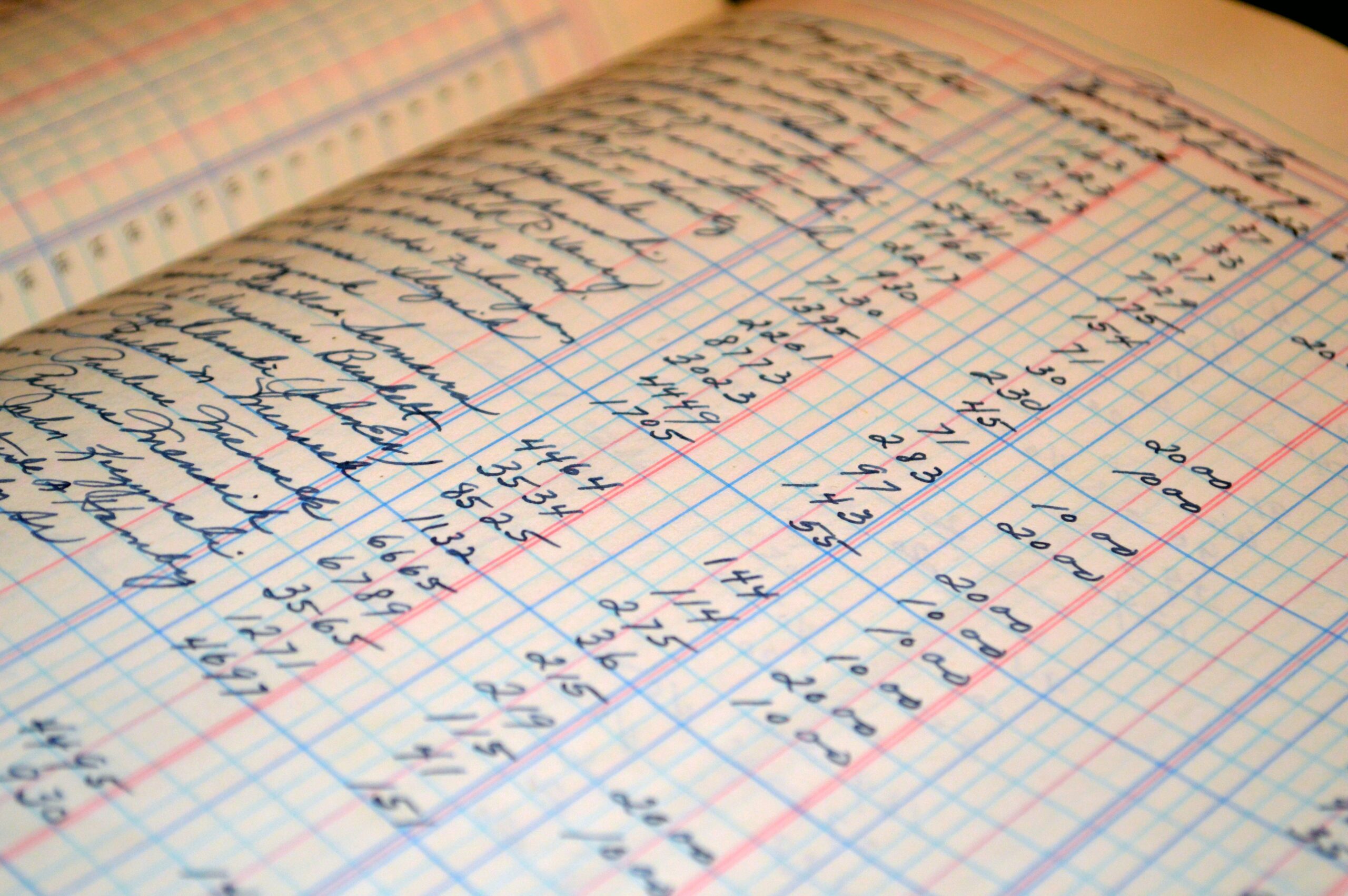
Within this expanse, the ledger account is akin to an artist’s canvas. It elegantly portrays the vivid strokes of each transactional hue, artfully employing debits and credits to compose a harmonious melody of financial movements. Every entry etches its presence, forming a mosaic of financial vignettes that narrate the chronicles of economic engagements. The serene balance achieved between debits and credits isn’t just a numerical equilibrium but an allegory of financial harmony—an equilibrium that articulates the stability and precision of financial movements.
The Anatomy of Ledger Accounts
Delve deeper into the ledger account, and you’ll uncover its intricate anatomy—a marvel of structured elegance. Here, each account embodies a unique identity, portraying its individuality within the financial saga. Think of them as characters in a grand narrative, each with its own persona, playing distinctive roles in the fiscal theater. Assets, liabilities, equity, expenses, and revenues—the quintessential cast members—each find their scripted lines etched within these accounts.
Assets, the bedrock of financial strength, stand tall as the protagonists, showcasing ownership and value. Liabilities, their counterparts, humbly shoulder the obligations and commitments of the narrative, weaving a tale of financial responsibility. Equity, the bridge linking the two, embodies the shared essence of ownership and investment. Meanwhile, expenses and revenues—the dynamic duo—flit across the stage, one drawing the curtain with costs incurred, the other illuminating it with earnings and inflows. Together, they script the story, enunciating the rhythm and tempo of financial motion within the ledger.
The Symphony of Debits and Credits
The ledger account, an intricate melange of financial transactions, finds its essence in the graceful ballet of debits and credits. These aren’t mere numbers; they are the dancers in the financial waltz—each movement meticulously choreographed to maintain the symphonic balance. Debits, the silent orchestrators of movement, extend their tendrils to the left, heralding additions and withdrawals. Credits, their counterparts, gracefully sway to the right, marking entrances and exits with finesse.
Every debit scribed onto the ledger account holds a tale of augmentation—an addition to assets, a reduction in liabilities, or an uptick in expenses. Conversely, each credit inscribes the narrative with a flourish—a decrease in assets, an increase in liabilities, or a surge in revenues. Together, they dance in harmonious synchrony, crafting a financial sonnet that resonates with precision and equilibrium, culminating in the serene balance that defines the ledger’s essence.
The Ledger’s Role in Financial Reporting
Beyond its role as a mere custodian of financial records, the ledger account stands tall as the bedrock of financial reporting. It’s the silent architect behind the edifice of financial statements—balance sheets, income statements, and cash flow statements—all born from the intricate tapestry of ledger entries. Through this prism, the ledger illuminates the financial panorama, offering a window into the entity’s fiscal health and performance.
The balance sheet, a tableau of assets, liabilities, and equity, derives its essence from the ledger’s entries, painting a vivid portrait of financial standing. The income statement, an ode to revenues and expenses, captures the ebbs and flows of profitability, derived from the ledger’s meticulous annotations. Even the cash flow statement, a testament to liquidity, finds its genesis in the ledger’s intricate dance of debits and credits. The ledger account, thus, is the maestro orchestrating the opus of financial reporting, rendering clarity and coherence to the entity’s fiscal narrative.
In the intricate tapestry of finance, the ledger account emerges as the silent yet eloquent narrator, elucidating the financial odyssey of an entity. Within its hallowed pages lies the saga of transactions, artfully etched through the delicate dance of debits and credits. It stands as a testament to precision, equilibrium, and the harmonious interplay of financial elements, offering not just a record but a canvas upon which the entity’s financial story unfolds.