Are you ready to cultivate delicious and nutritious cabbage in your garden? Growing cabbage in Zone 6 can be a rewarding experience, and with the right techniques, you’ll have an abundant harvest to enjoy. This guide will provide you with all the essential tips and tricks to ensure your cabbage thrives.
Cabbage is not just a staple for coleslaw and salads; it’s a versatile vegetable that can be used in soups, stews, and stir-fries. With its crisp texture and mild flavor, cabbage is perfect for a wide range of dishes. Let’s explore how to grow this wonderful vegetable in Zone 6.
The Beauty of a Thriving Cabbage Garden
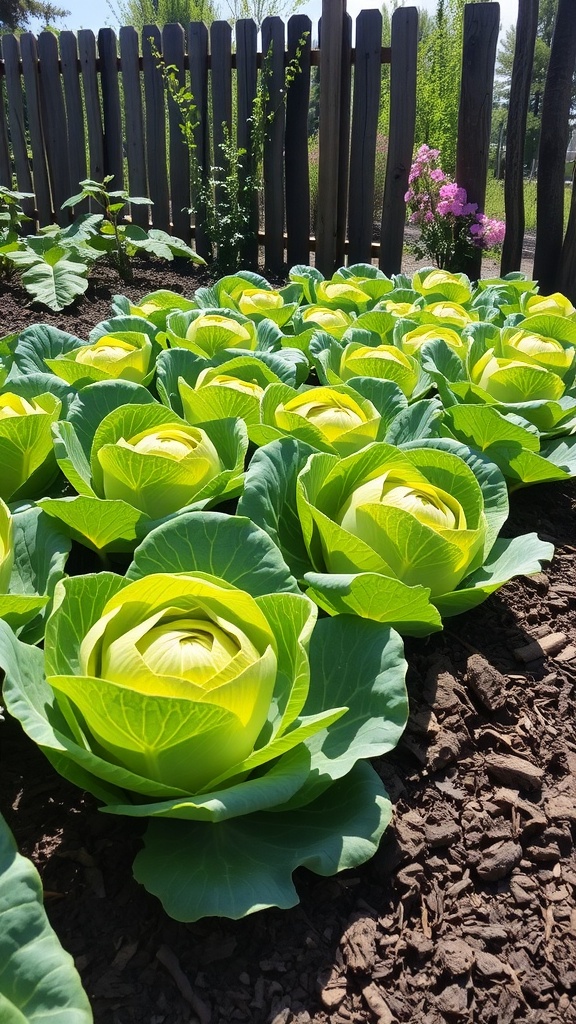
Imagine stepping into a vibrant garden where fresh, green cabbage heads proudly stand in rich soil, their leaves glistening in the sunlight. This scene encapsulates the charm of a well-tended vegetable garden, offering a sensory feast for the eyes.
As the sun pours down, it highlights the lush foliage, bringing out the vibrant colors of the cabbages. Each head is a testament to the care and nurturing that went into cultivating them. Surrounded by organic mulch, which aids in moisture retention and weed suppression, these cabbages are thriving in their natural habitat.
Creating the Perfect Environment
For cabbage to flourish, the right environment is essential. Cabbage thrives in cool weather, making it ideal for spring and fall planting in Zone 6. This ensures that the plants grow strong and flavorful, ready for harvest.
Preparing the soil is a key step in establishing a successful cabbage garden. Well-drained soil enriched with compost provides the nutrients necessary for healthy growth. Testing the soil’s pH can help achieve the optimal conditions, ensuring a slightly acidic to neutral range.
Planting Techniques for Success
When it comes to planting, both seeds and seedlings can be utilized. Direct sowing seeds or transplanting seedlings after the last frost is a popular method among gardeners. Spacing the plants correctly allows them to grow without overcrowding, leading to larger, more robust heads.
Watering regularly is vital, especially in warmer weather. Keeping the soil consistently moist promotes healthy growth, while organic mulch helps regulate temperature and retain moisture. Together, these practices create a supportive environment for your cabbage to thrive.
Pest Management and Care
Even in a flourishing garden, pests can pose a threat to your cabbage crop. Regular monitoring for common invaders such as aphids and cabbage worms is crucial. Implementing pest management strategies early can prevent significant damage to the plants.
Fertilizing appropriately will also encourage healthy growth. A balanced fertilizer can provide the necessary nutrients to support the cabbages as they develop. Following package instructions ensures you provide the right amount for optimal results.
Harvesting Your Cabbage
After 60 to 90 days of diligent care, the moment arrives to harvest your cabbage. Knowing when to pick is important; heads should feel firm and fully formed before cutting them at the base with a sharp knife.
This harvesting moment brings a sense of accomplishment, transforming your hard work into a bountiful supply of fresh cabbage. Whether used in soups, salads, or stir-fries, the fruits of your labor promise delicious meals ahead.
Embracing the Joy of Gardening
Gardening is more than just a hobby; it’s a fulfilling experience that connects you with nature. Watching your cabbage grow from seedlings to full heads is a rewarding process, enhancing both your garden and your culinary repertoire.
Surrounded by blooming flowers and a rustic wooden fence, your cabbage garden serves as a charming retreat. With every glance, the vibrant greens remind you of the joys of nurturing life and the satisfaction of harvest time.
Essential Tips for Growing Cabbage in Zone 6
Cabbage is a cool-season crop, thriving in the cooler temperatures of spring and fall. In Zone 6, you can plant cabbage in early spring or late summer for a fall harvest. With proper care, you’ll enjoy tender, flavorful heads that are perfect for various culinary uses.
Ingredients
- Cabbage seeds or seedlings
- Well-drained soil enriched with compost
- Organic mulch (straw or wood chips)
- Watering can or garden hose
- Fertilizer (balanced N-P-K fertilizer)
Instructions
- Choose the Right Variety: Select cabbage varieties suitable for your climate, such as ‘Green Glaze’, ‘Savoy’, or ‘Red Express’.
- Prepare the Soil: Ensure your garden bed has well-draining soil rich in organic matter. Test pH and aim for a slightly acidic to neutral range (6.0 to 7.0).
- Sow Seeds or Transplant: Plant seeds directly in the garden or transplant seedlings after the last frost. Space them 12-24 inches apart depending on the variety.
- Water Regularly: Keep the soil consistently moist, especially during hot weather. Avoid overhead watering to prevent diseases.
- Mulch: Apply organic mulch around the plants to retain moisture, suppress weeds, and regulate soil temperature.
- Fertilize: Use a balanced fertilizer according to package instructions to promote healthy growth.
- Pest Management: Monitor for common pests like aphids and cabbage worms, and take appropriate action when necessary.
- Harvest: Cabbage is ready to harvest when the heads feel firm and are fully formed. Cut the heads off at the base with a sharp knife.
Cook and Prep Times
- Prep Time: 15 minutes
- Grow Time: 60-90 days
- Total Time: 3-4 months
- Servings: Varies
- Calories: 25kcal per cup
- Fat: 0g
- Protein: 1g
- Carbohydrates: 6g